
APPLICATION FIRST
Technical Guides
Direct answers, application conditions and a clear next step.
Priority Guides
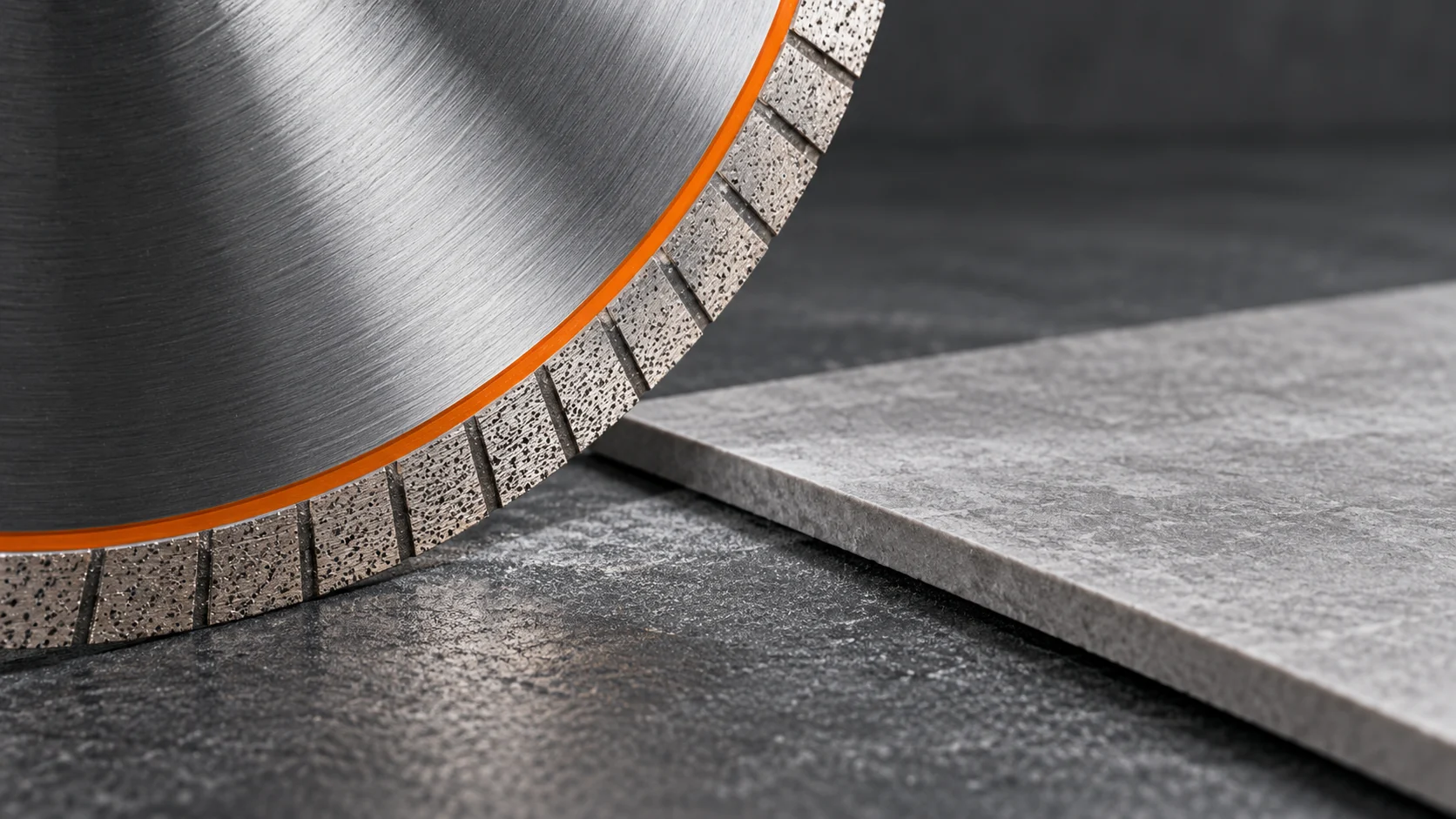
How to Cut Porcelain Without Chipping
Chipping cannot be ruled out by tool choice alone. Start with a blade matched to porcelain and the machine, support the workpiece, and review tool condition and the specified cutting method.
Explore →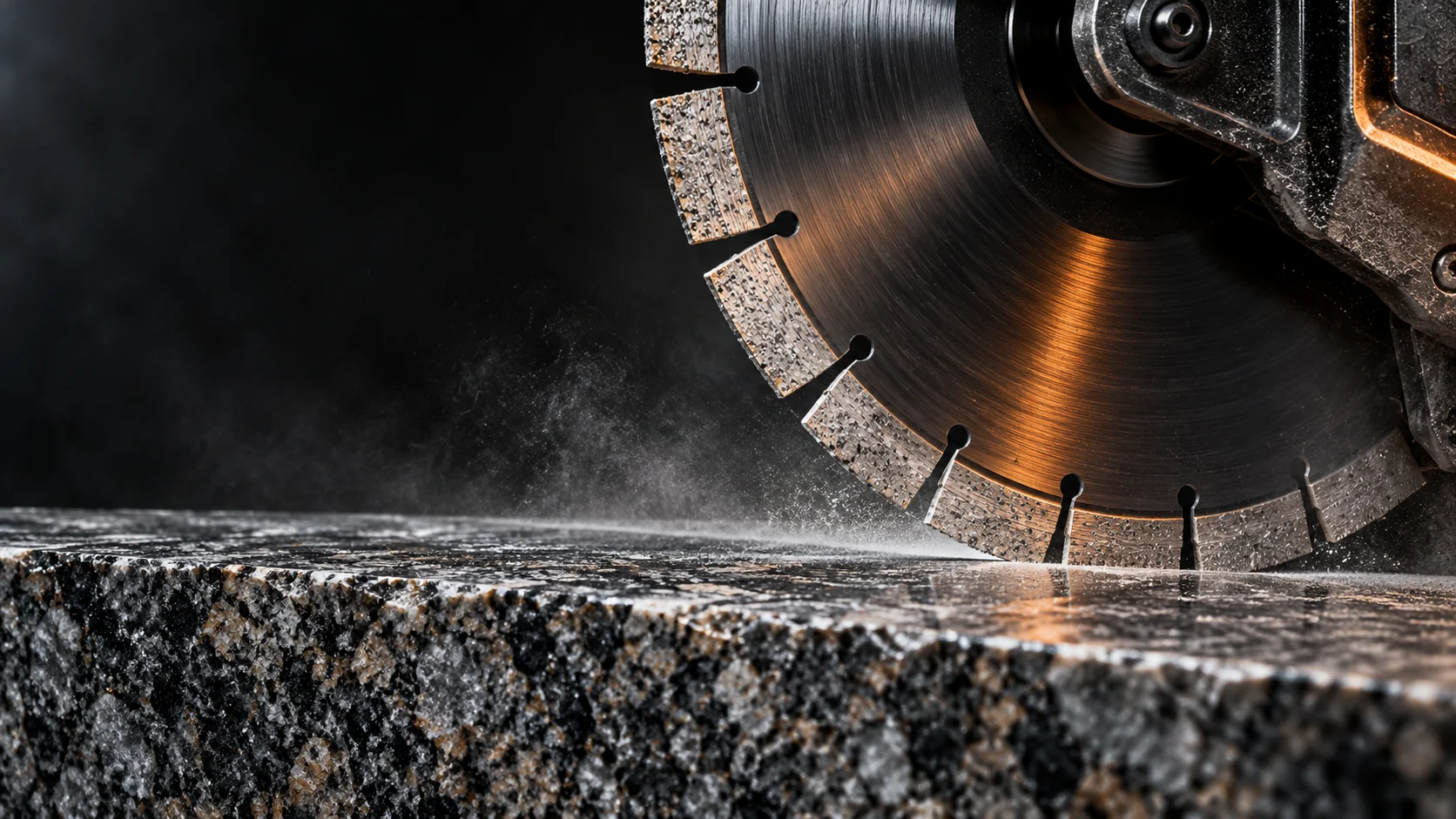
Wet vs Dry Diamond Blade Cutting
Use only the method approved for the exact blade and machine. A wet-only tool must not be selected for dry cutting; a dry reference does not establish wet-machine compatibility.
Explore →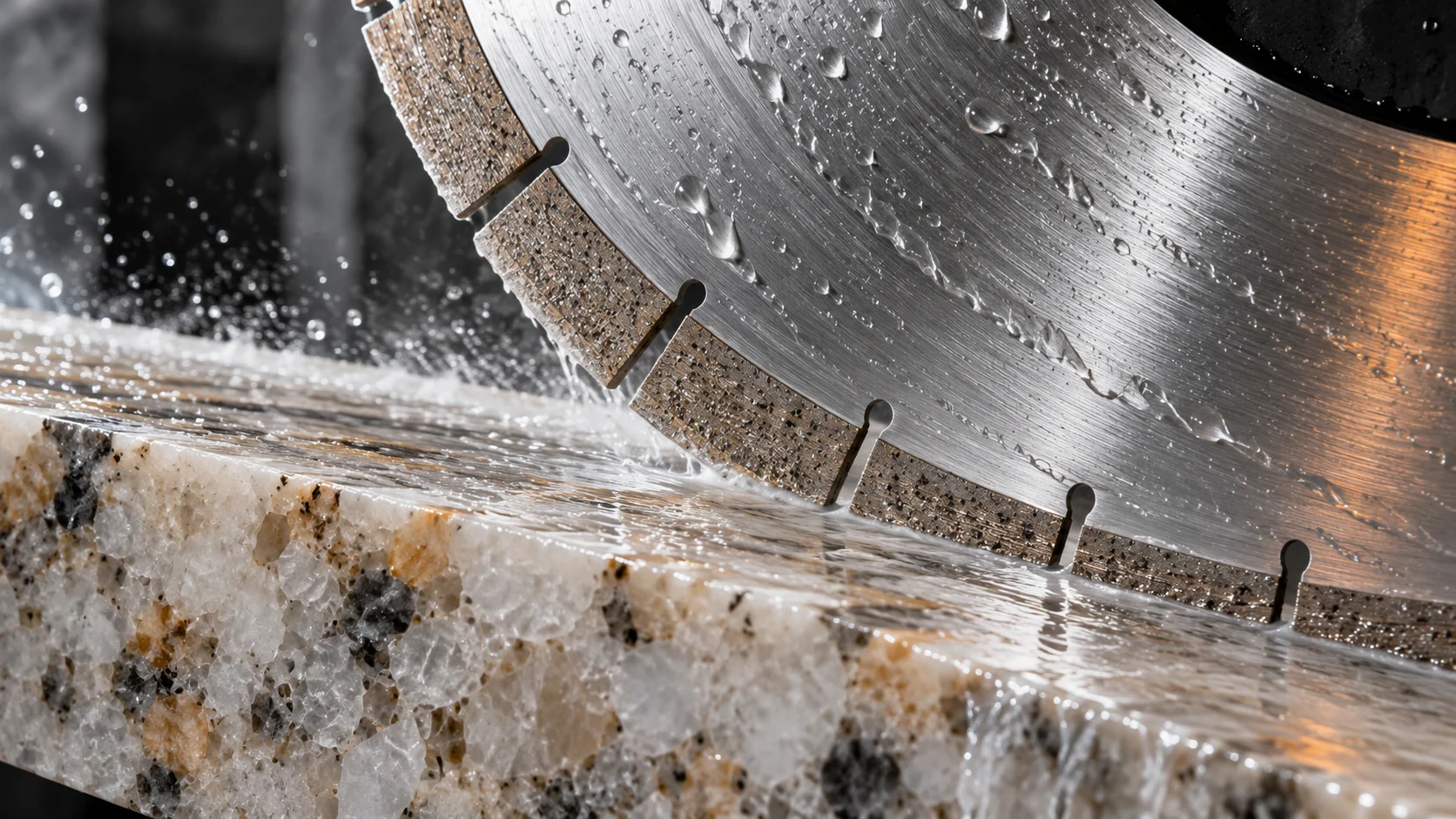
How to Choose a Diamond Blade for Quartz
Identify engineered quartz or natural quartzite first, then check machine type, permitted blade diameter, bore and cooling. Use the required edge finish to frame the application review.
Explore →Professional application and purchasing guides
- Large-Format Porcelain Slab Cutting: Tool and Support Planning
- Diamond Blade Drift, Runout and Crooked Cuts: Diagnostic Checklist
- How to Drill Porcelain Without Cracking or Rapid Bit Wear
- Diamond Blade Cost per Cut: A B2B Evaluation Framework
- Diamond Cup Wheel Selection: Wear and Surface Damage
- Find the Right Diamond Tool
- Request an Application-Matched Quote