
KERZANO / PROFESSIONAL DIAMOND TOOLS
Diamond Tools Engineered for the Material You Cut
Application matching and specification coordination for distributors, importers, stone fabricators and private-label brands.
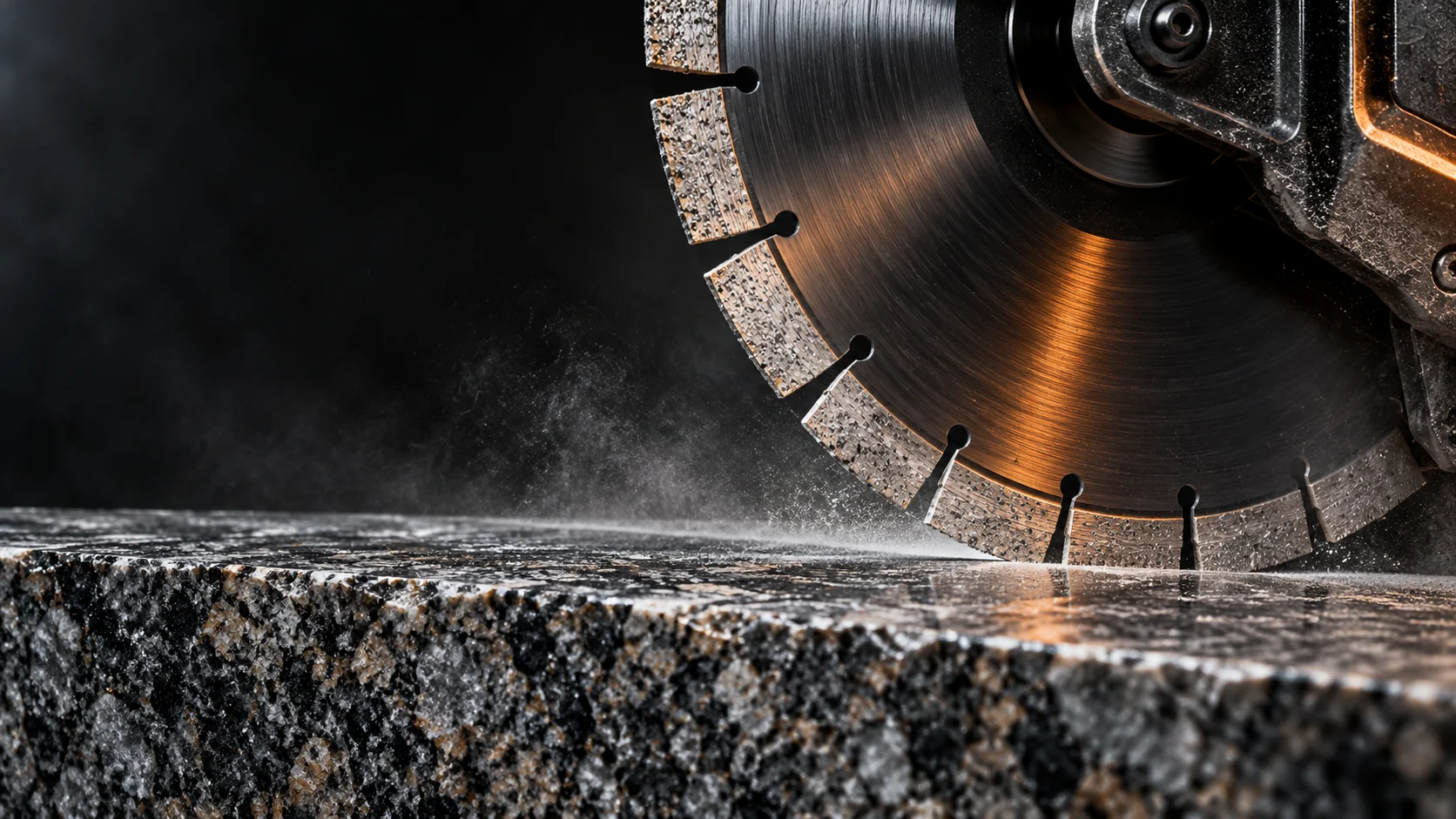
Find Tools by Material
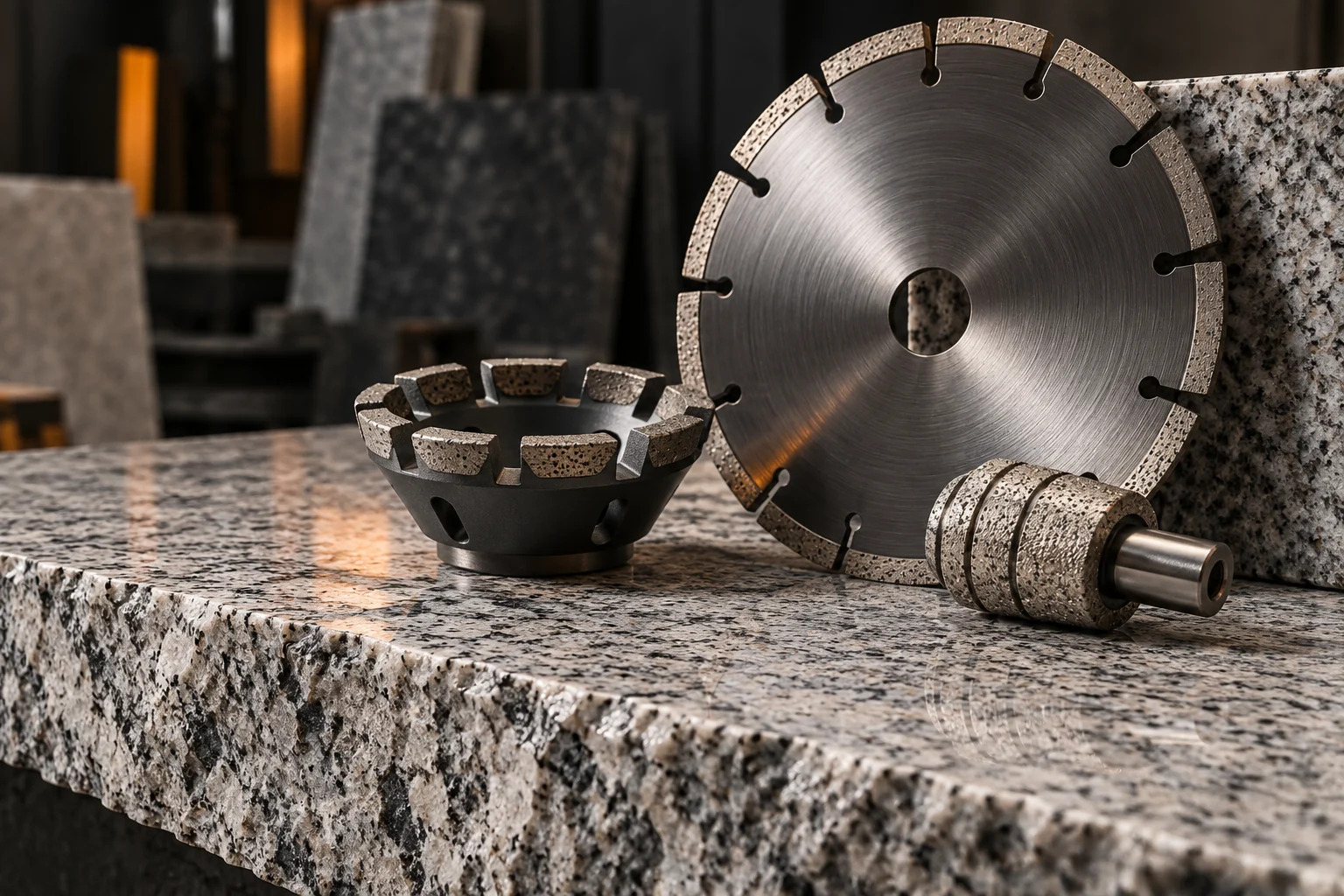
Granite
Granite varies in mineral composition and abrasiveness. Match the tool to the actual stone rather than relying on the material name alone.
Explore →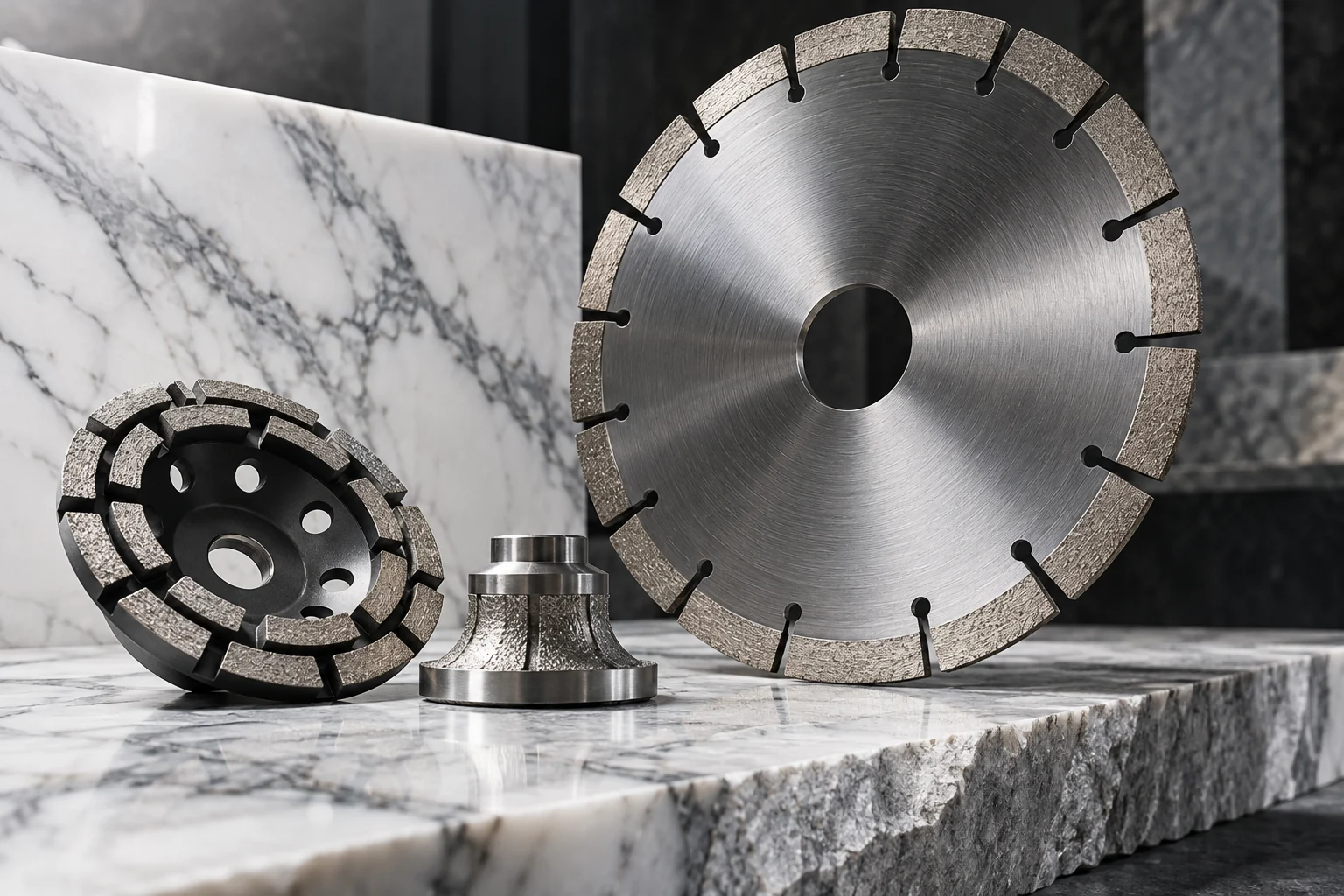
Marble
Veining and natural fissures make support and the visible edge important in marble fabrication.
Explore →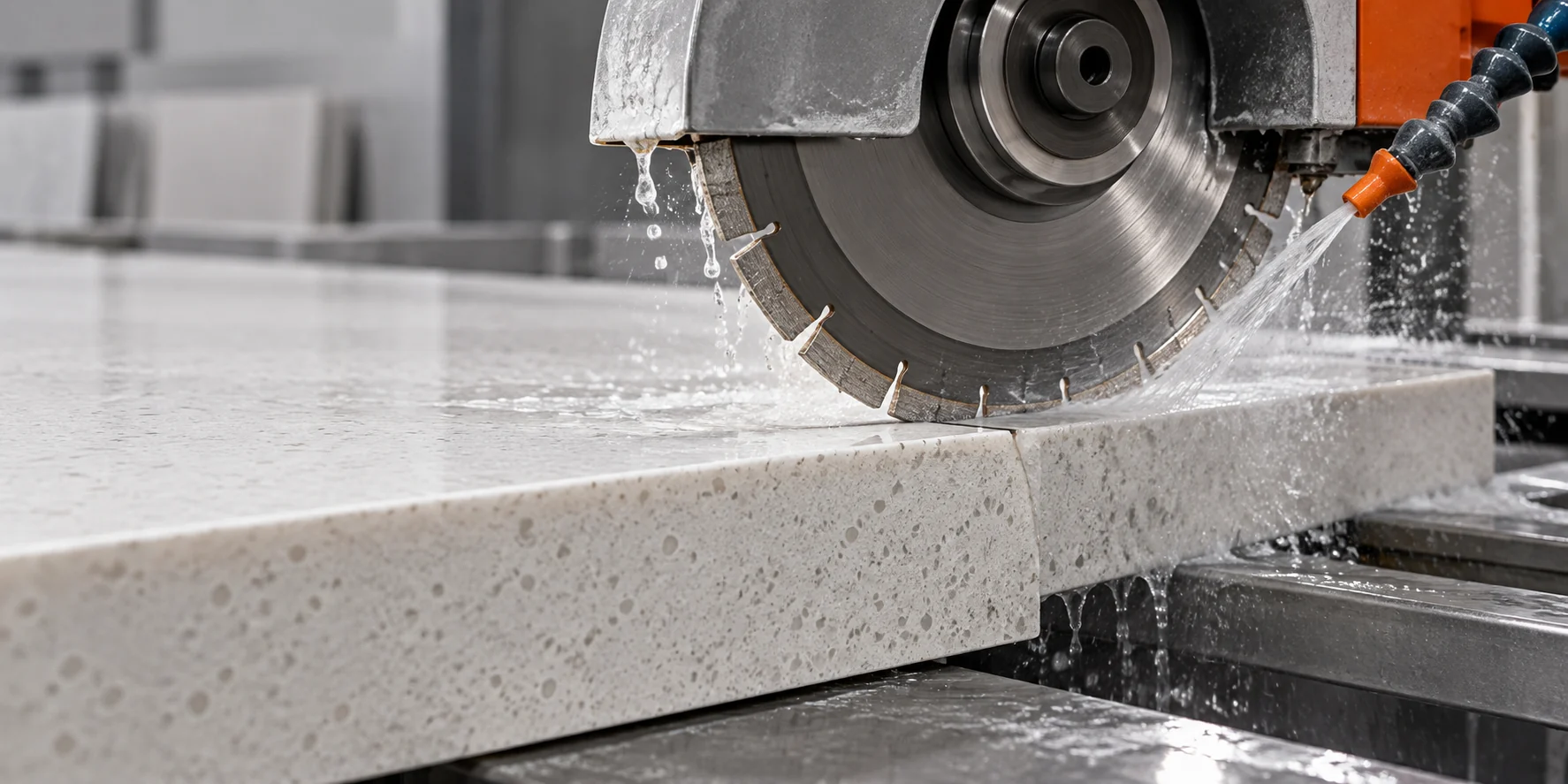
Quartz & Engineered Stone
Engineered quartz combines mineral aggregate and binder. It should not be treated as identical to natural quartzite.
Explore →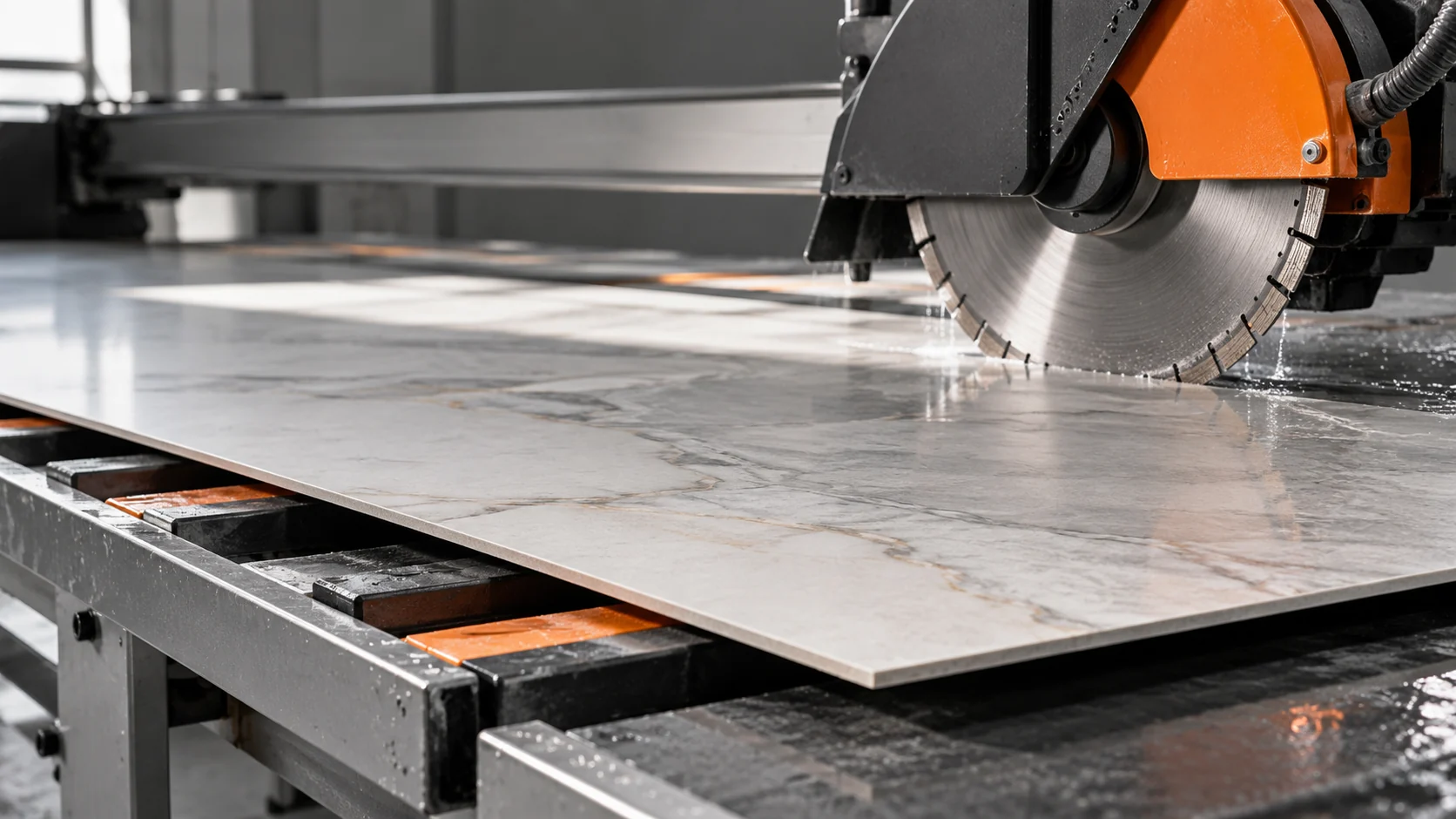
Porcelain
Porcelain edges can chip when support, alignment, tool condition or the process is unsuitable. A blade alone cannot guarantee the edge.
Explore →Professional Diamond Tools

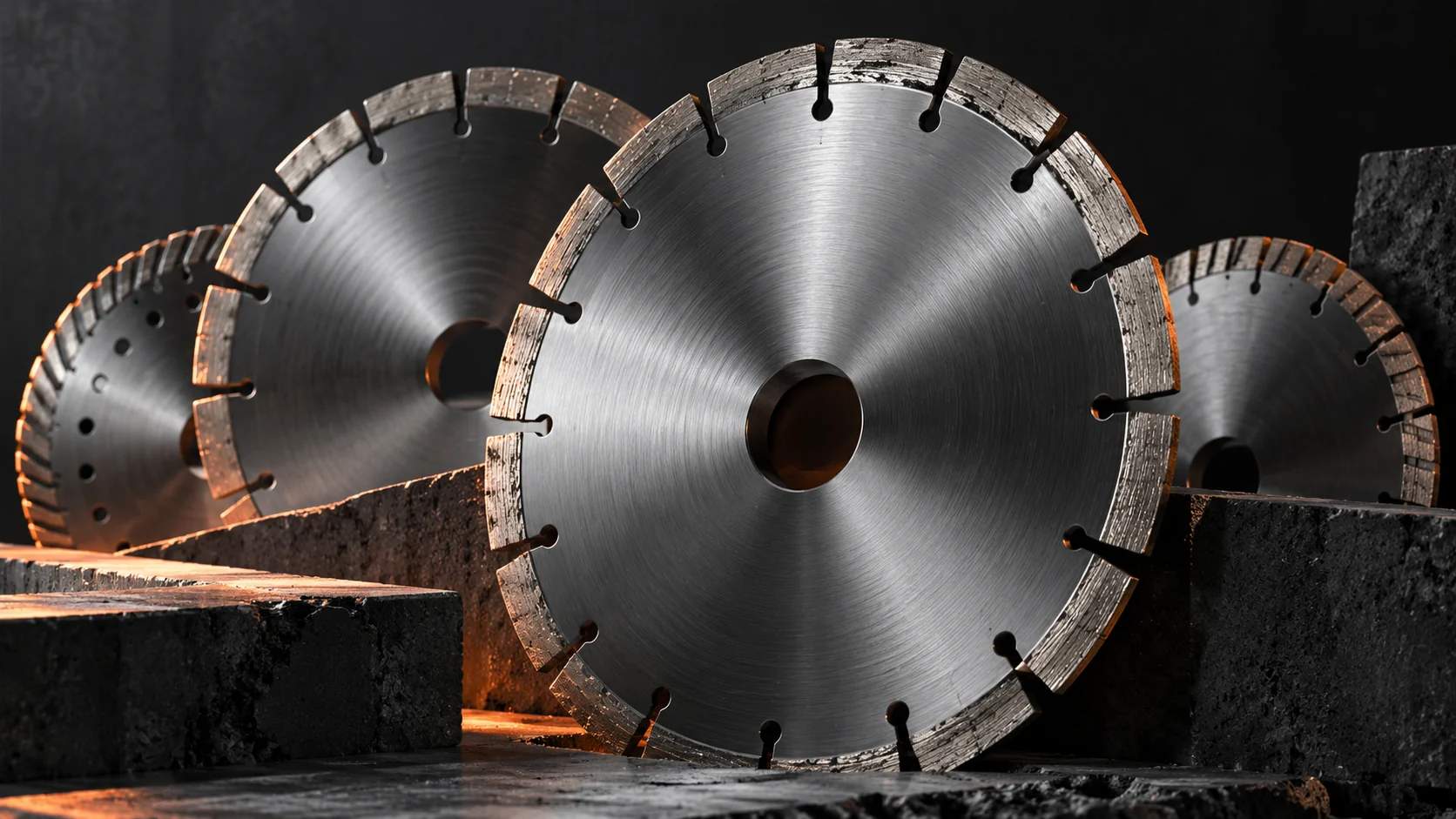
Diamond Saw Blades
Explore public references and discuss the specification your application needs.
Explore →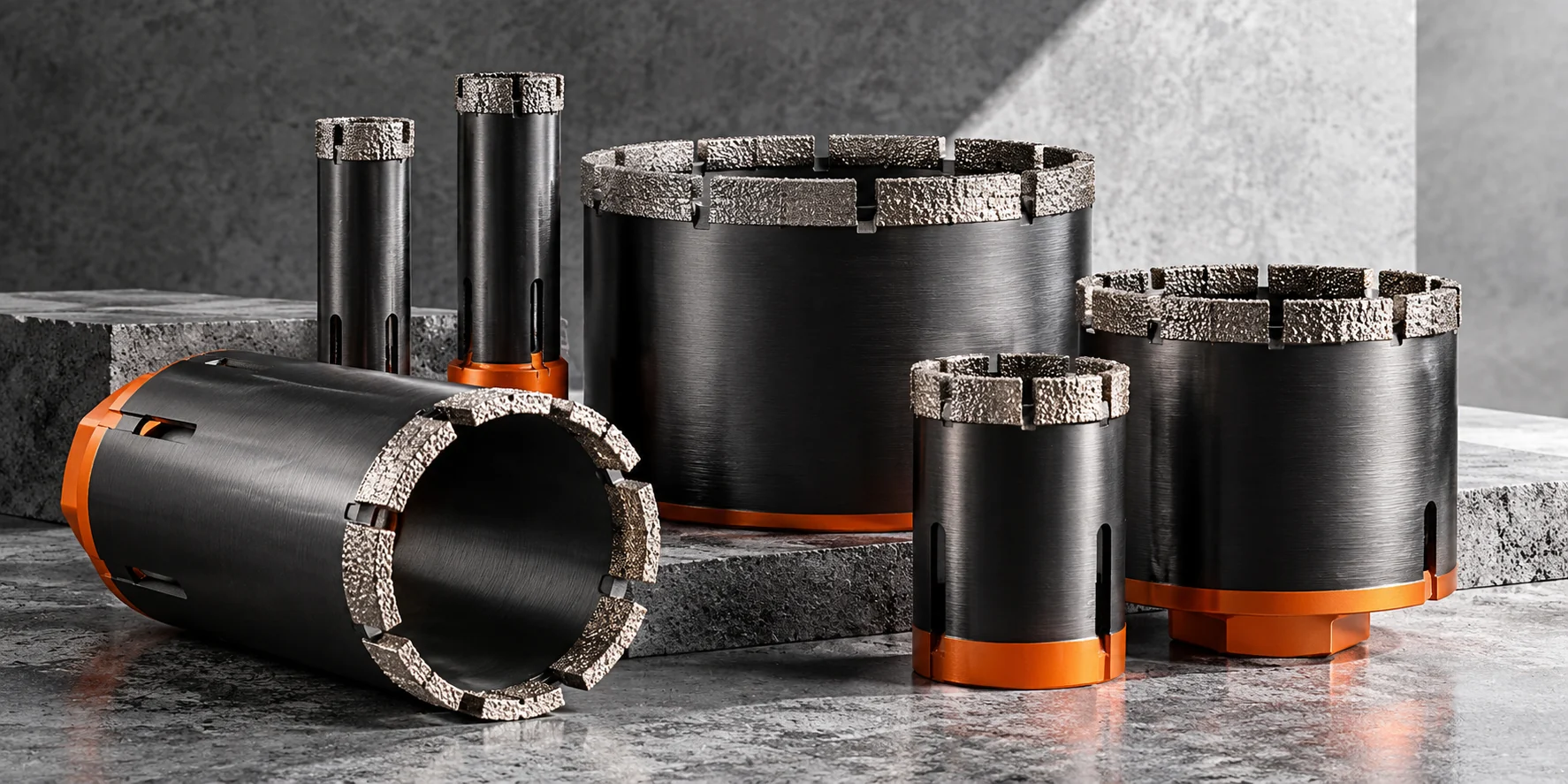
Diamond Drill Bits
Explore public references and discuss the specification your application needs.
Explore →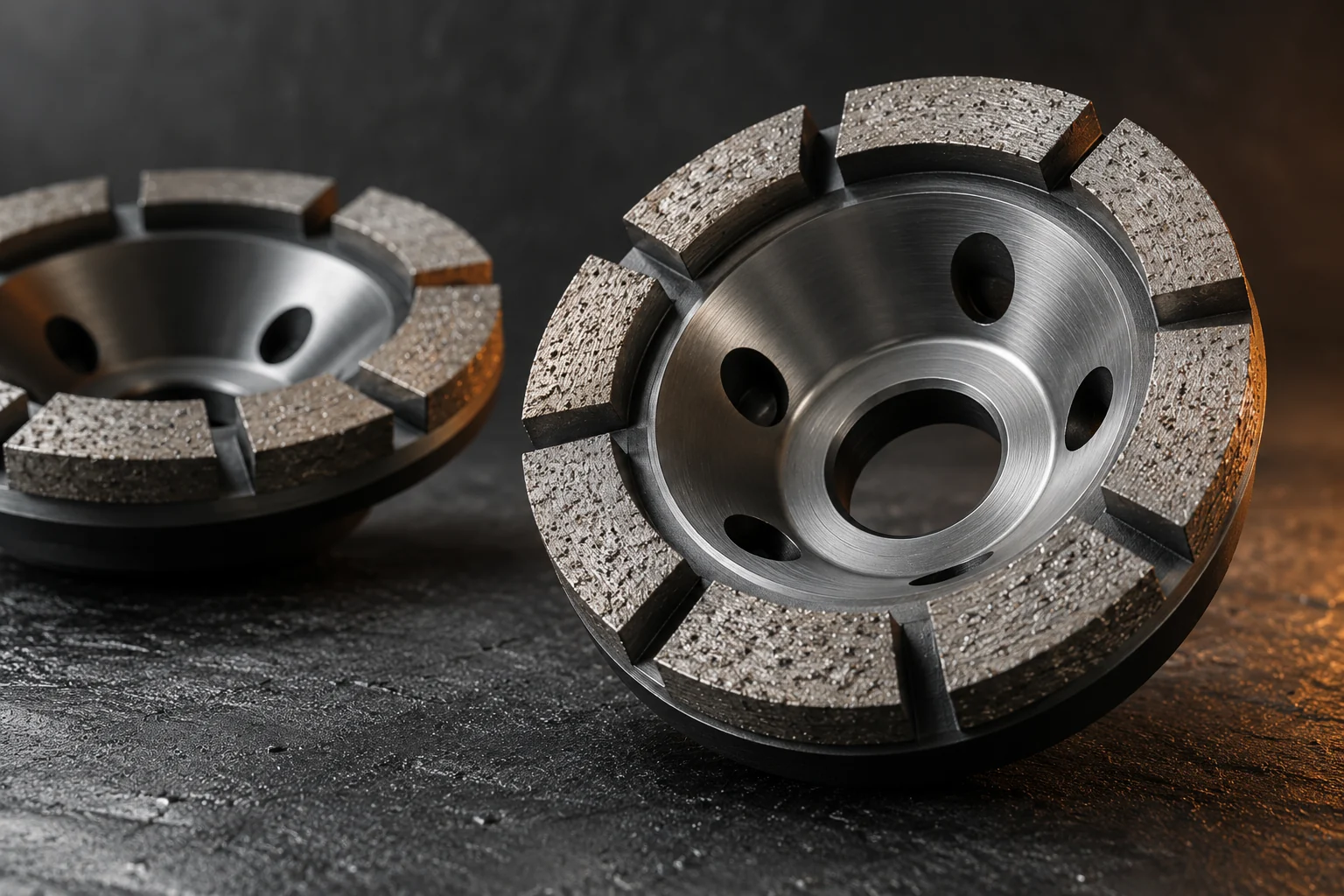
Diamond Grinding Tools
Explore public references and discuss the specification your application needs.
Explore →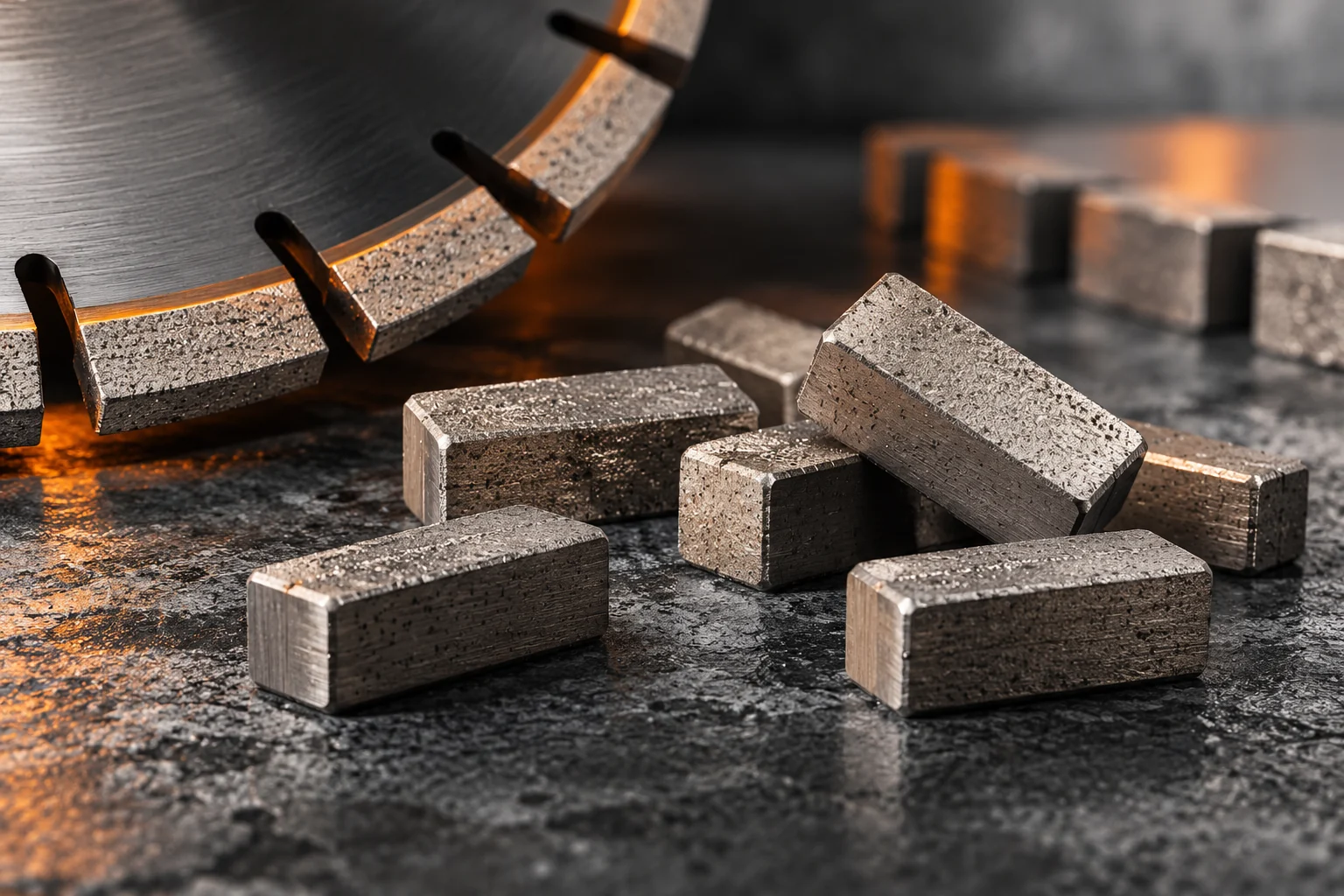
Diamond Segments
Explore public references and discuss the specification your application needs.
Explore →Solve a Cutting Problem
Clean Edge Cutting
Start with a material-matched tool, a stable machine and full workpiece support. Evaluate a representative sample before setting a production process.
Explore →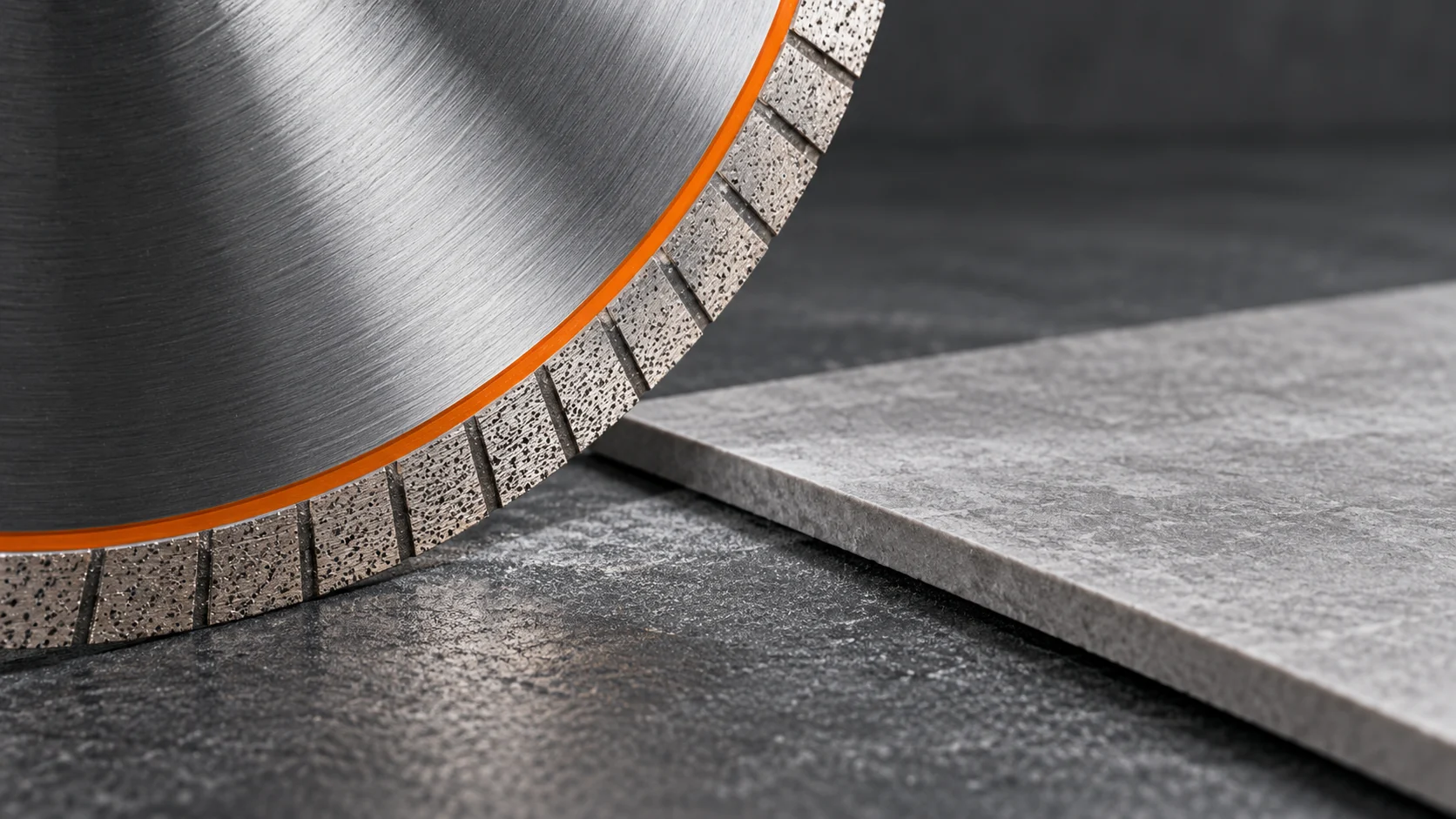
Reduce Porcelain Chipping
Check the blade fit, workpiece support and machine alignment first. Review feed and cooling against the exact tool and slab instructions.
Explore →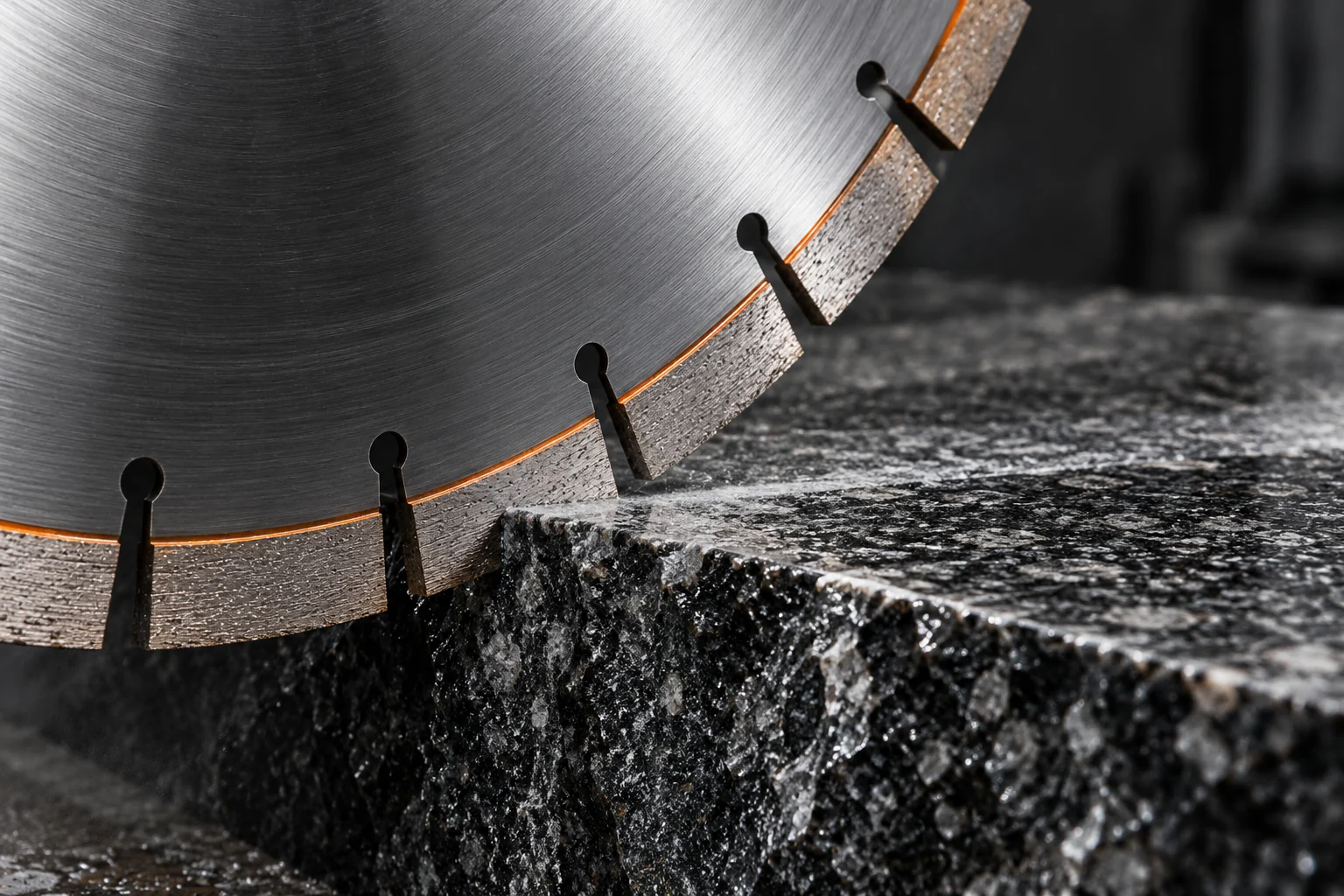
Longer Diamond Blade Life
Material abrasiveness, bond selection, cooling, feed and machine condition all affect service life. Compare tools under recorded, consistent conditions.
Explore →Precision Miter Cutting
Confirm the machine can support the cut geometry and that the blade is suitable for the material and angle. Validate the setup on a representative sample.
Explore →Start with the Application
Material × Machine × Process × Goal. Use the Tool Selector to find a candidate and carry your requirements into an RFQ.
OEM & Private Label
Develop your diamond-tool brief around your market, specifications and brand requirements.
Discuss Your OEM ProjectLogo marking, color, packaging and specification requests are reviewed for each project. Commercial terms are confirmed against the actual requirement.
Why KERZANO
Application matching
Begin with the material, equipment and the outcome you need.
Explore →Specification coordination
Separate reference information from confirmed supply specifications.
Explore →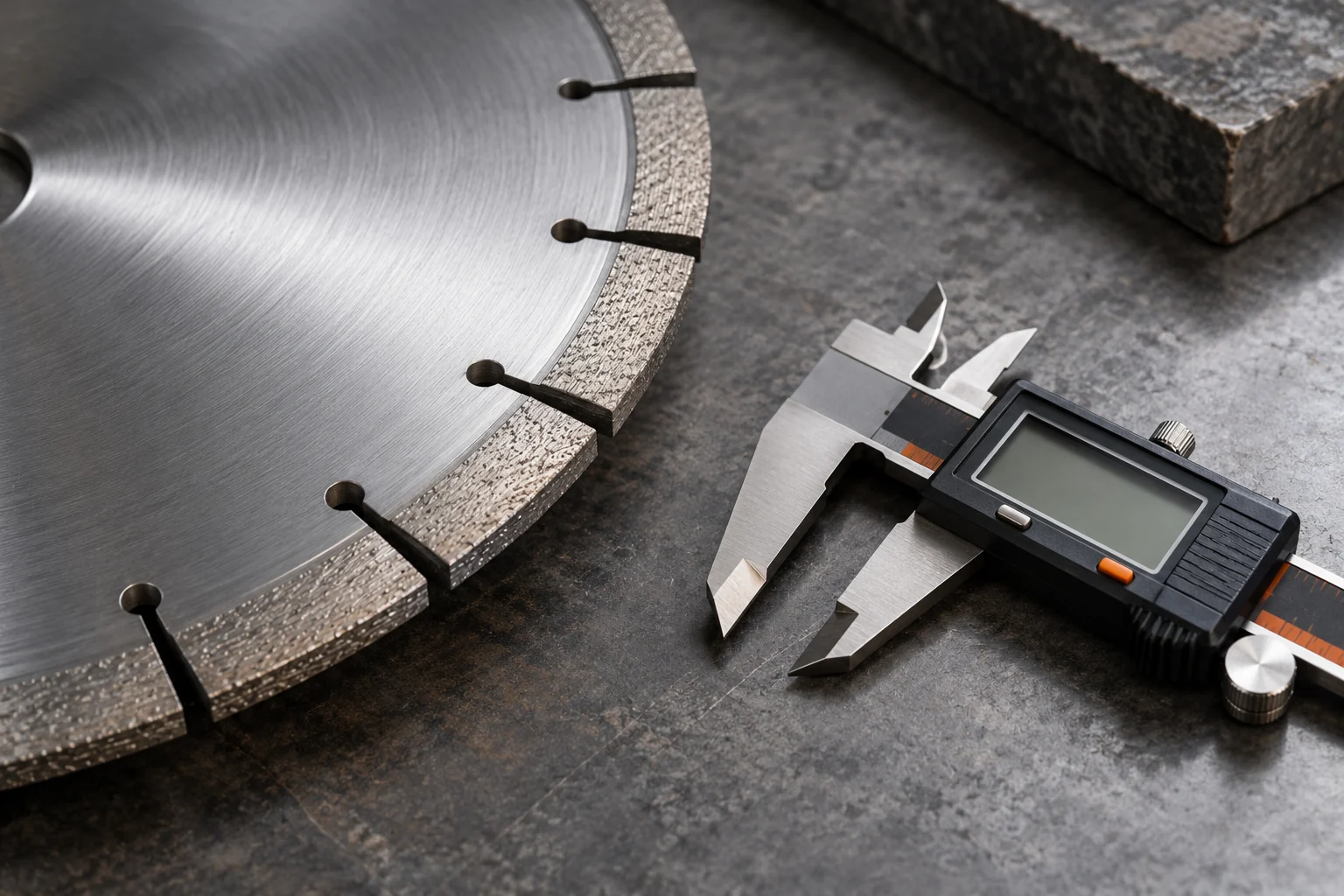
Quality verification workflow
Define evidence, sample review and acceptance requirements.
Explore →04B2B RFQ support
Bring company, quantity and OEM requirements into one brief.
Explore →Material, Machine & Tool Review
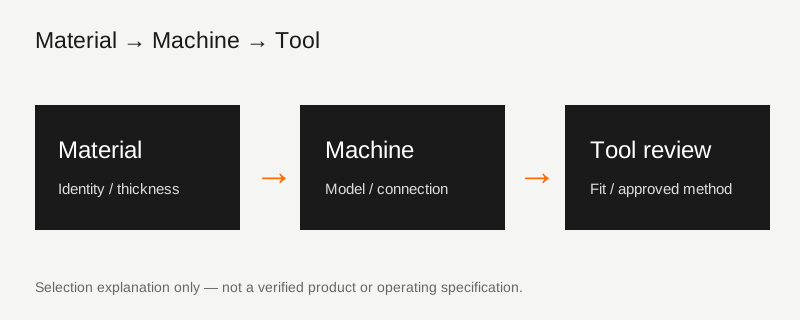
Technical Guides
How to Cut Porcelain Without Chipping
Chipping cannot be ruled out by tool choice alone. Start with a blade matched to porcelain and the machine, support the workpiece, and review tool condition and the specified cutting method.
Explore →Wet vs Dry Diamond Blade Cutting
Use only the method approved for the exact blade and machine. A wet-only tool must not be selected for dry cutting; a dry reference does not establish wet-machine compatibility.
Explore →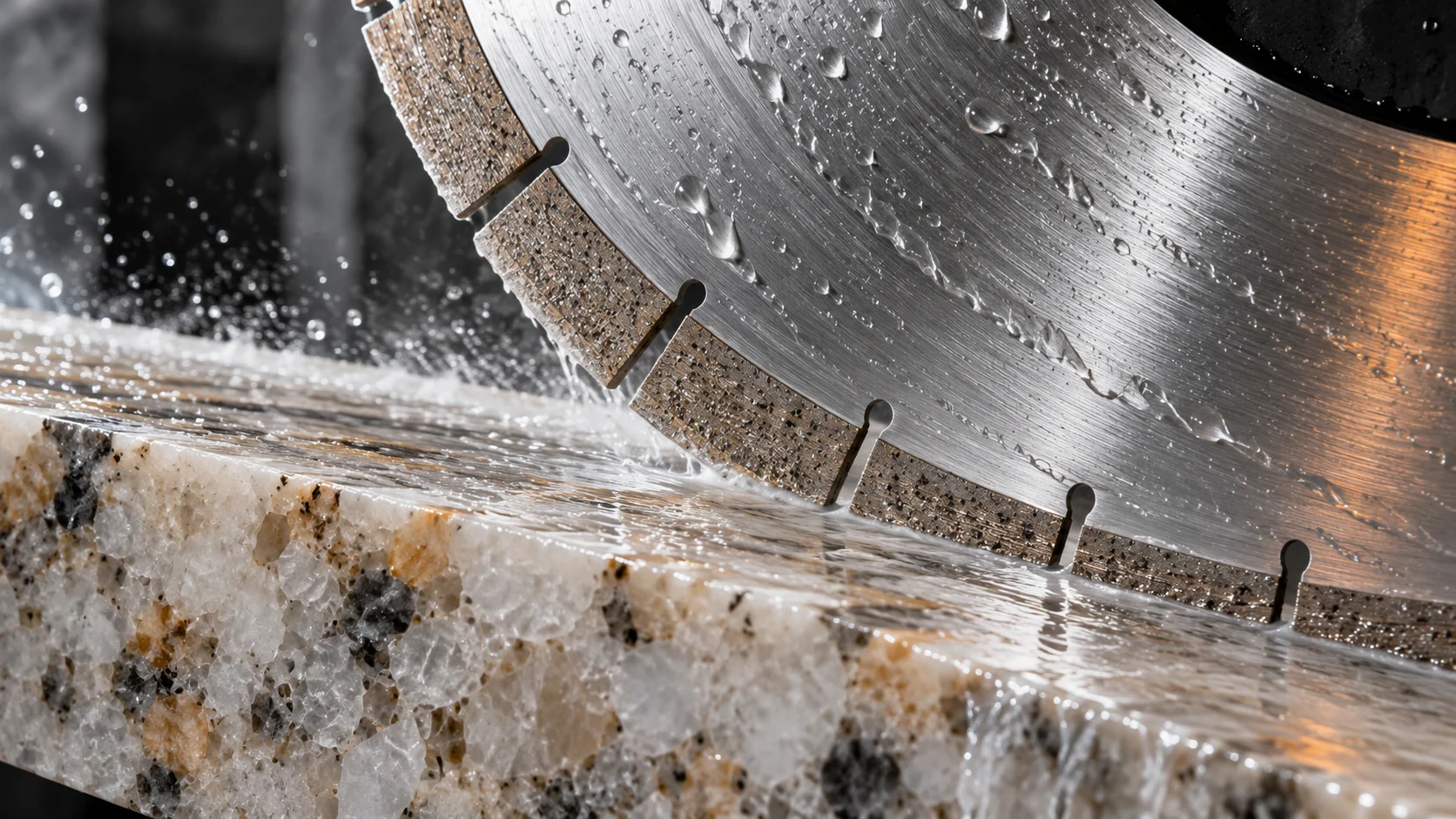
How to Choose a Diamond Blade for Quartz
Identify engineered quartz or natural quartzite first, then check machine type, permitted blade diameter, bore and cooling. Use the required edge finish to frame the application review.
Explore →Tell Us What You Cut
Share your application, current tool and buying requirement.
Request an Application-Matched Quote