
APPLICATION FIRST
Diamond Tools for Granite
Granite varies in mineral composition and abrasiveness. Match the tool to the actual stone rather than relying on the material name alone.

Tool-Selection Factors
Record hard inclusions, slab thickness and the removal or cutting task. Review bond suitability and machine stability.
Process, Cooling & Edge Quality
Support the slab and inspect the edge at entry and exit. Confirm cooling and feed guidance for the exact tool.
Confirm cutting, drilling or grinding separately. Supply machine instructions and the current tool specification; a family-level recommendation is not permission to operate.
Relevant Tool References
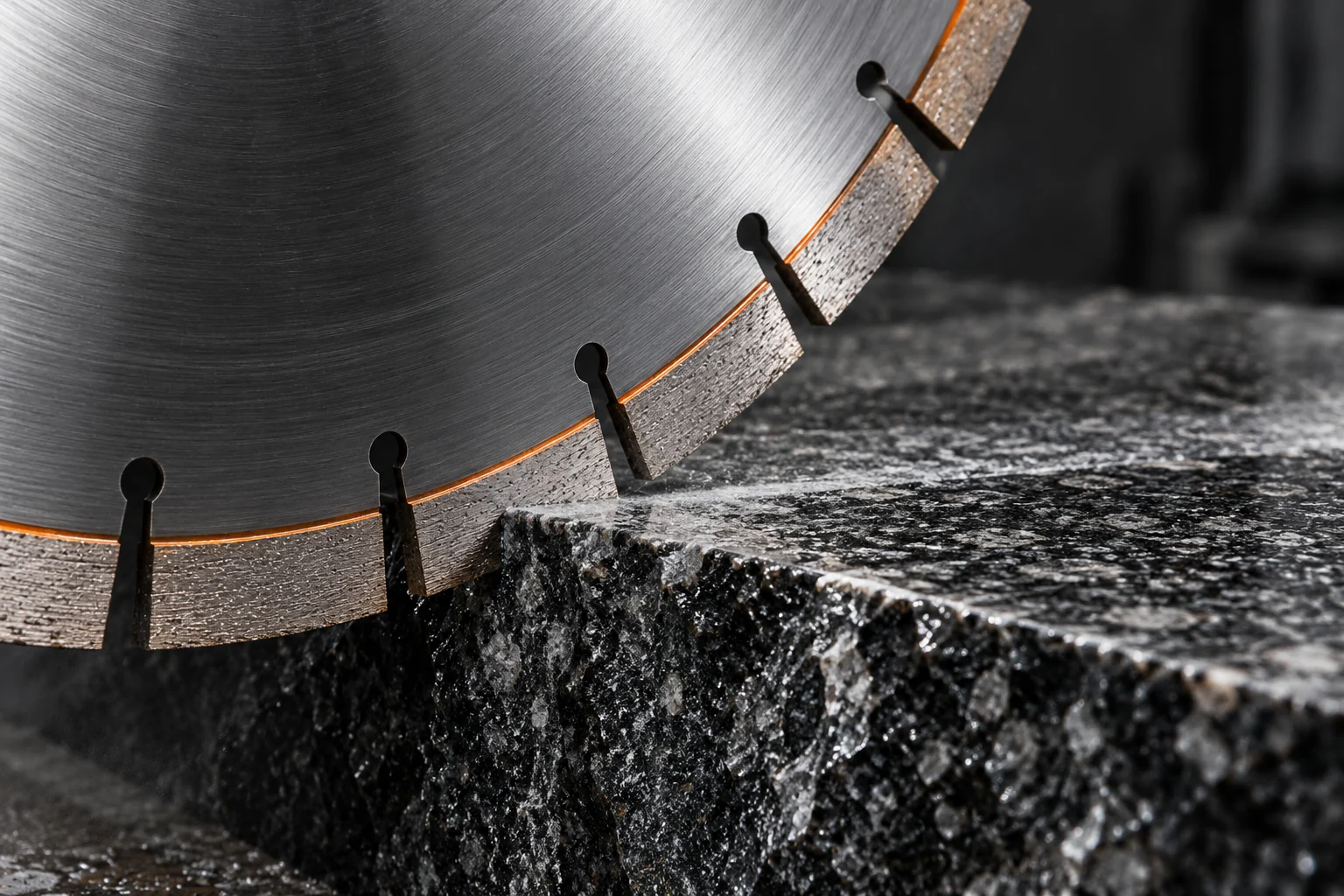
Granite Diamond Saw Blade
For granite cutting applications requiring matching by stone type, blade diameter, bore and equipment.
Explore →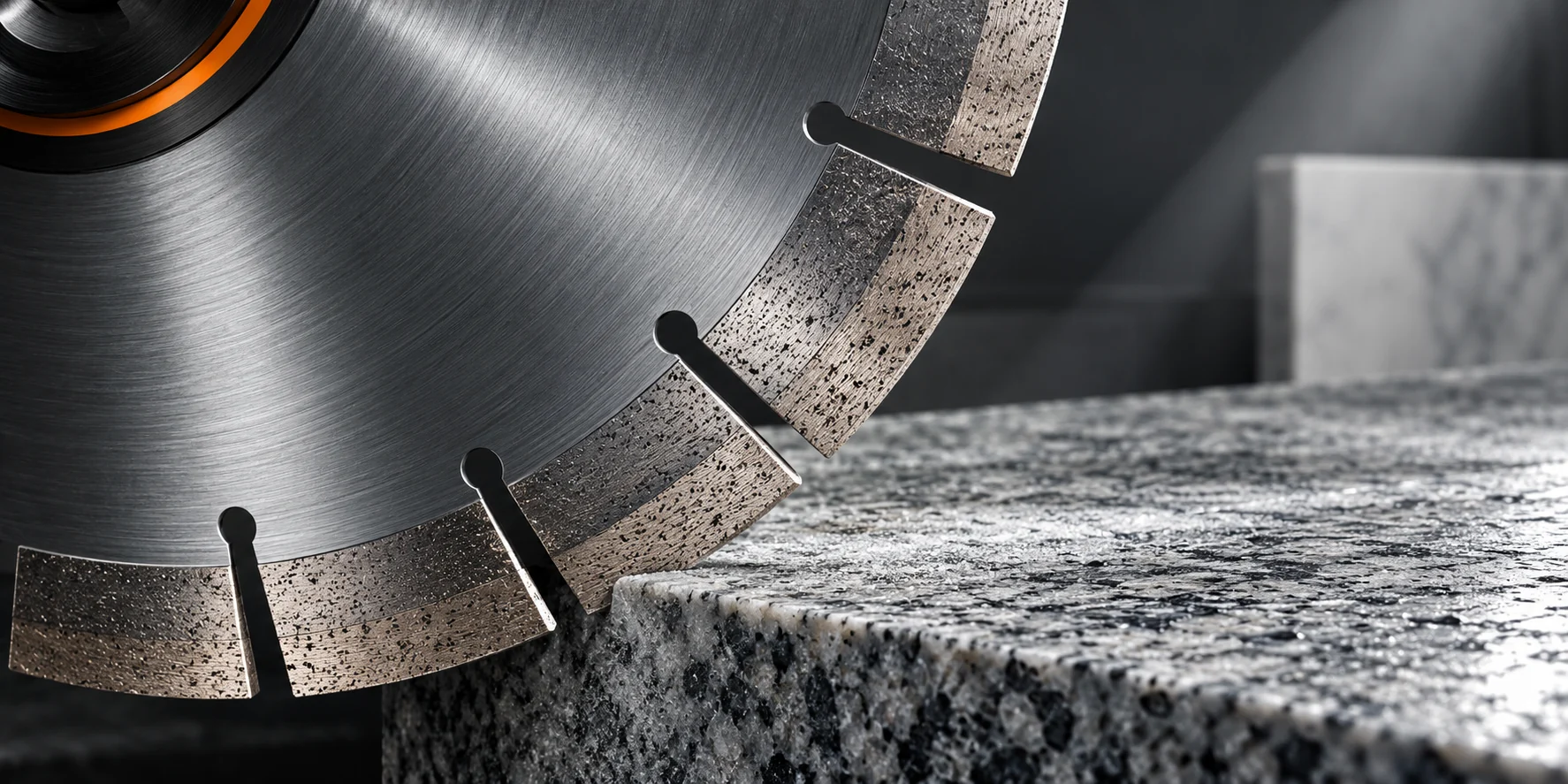
Silent Core Diamond Blade
For granite wet-cutting applications where buyers want to review a silent-core construction option.
Explore →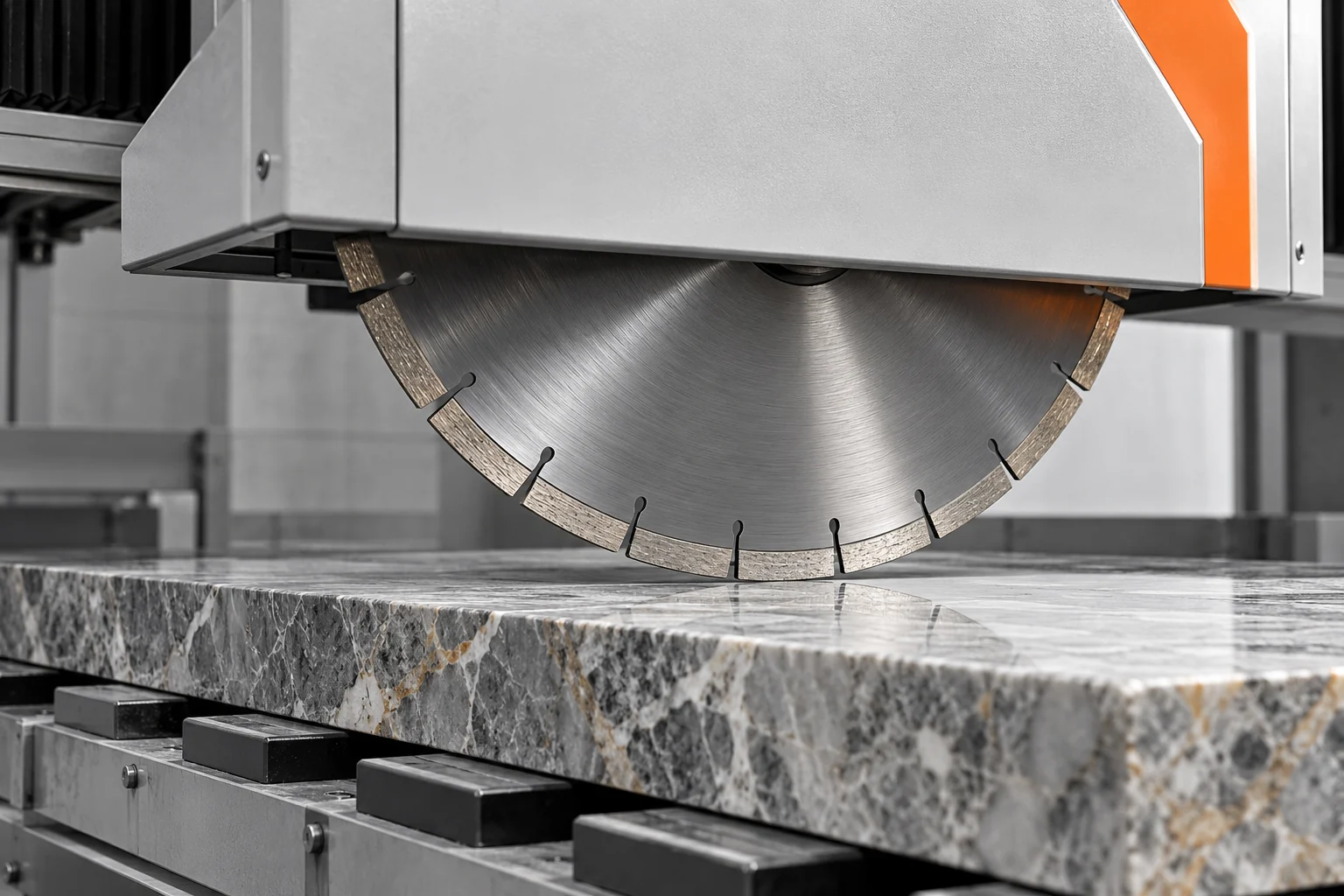
Bridge Saw Diamond Blade
For buyers developing a stone-cutting requirement around bridge-saw diameter, bore and material.
Explore →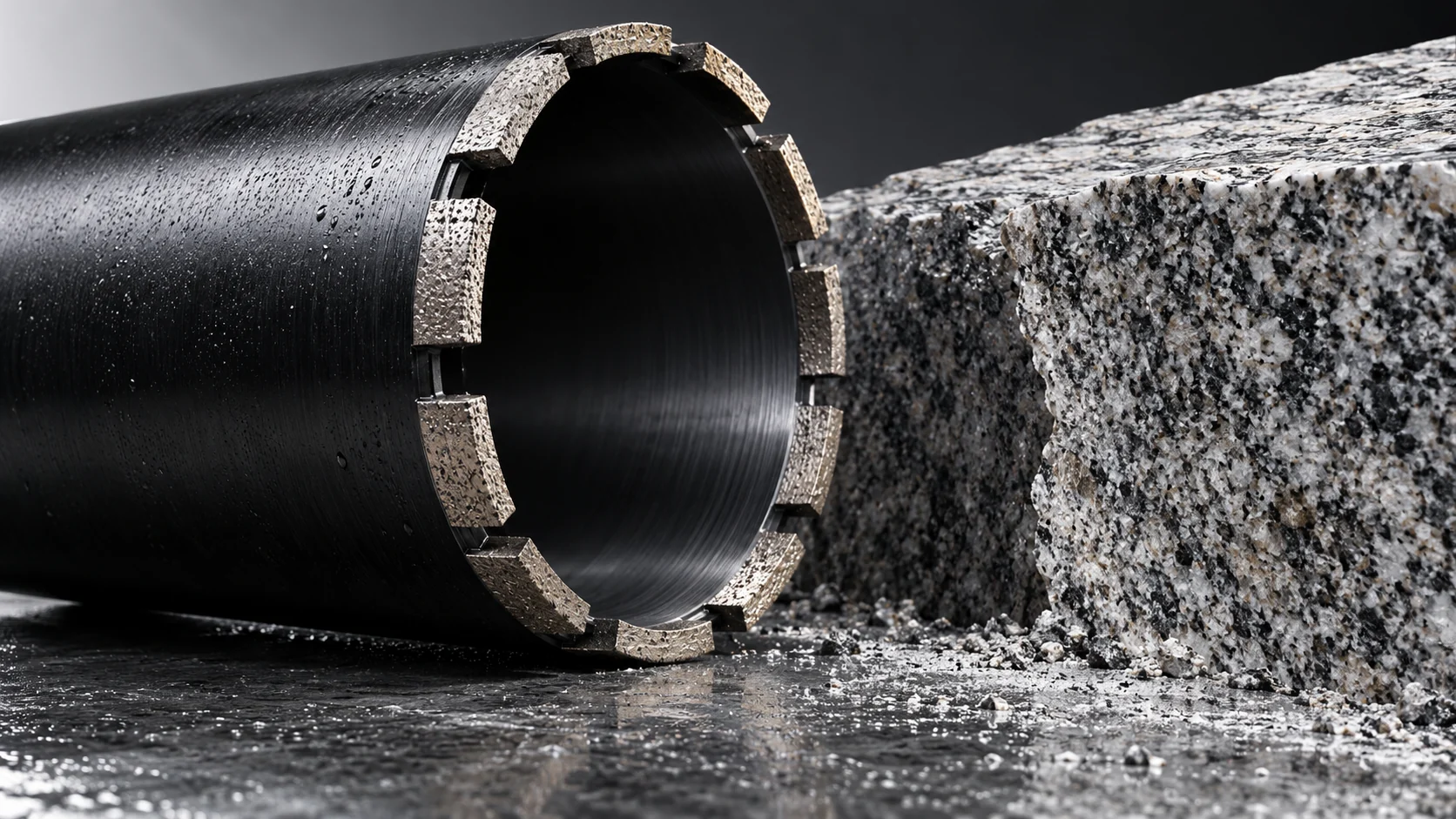
Diamond Core Drill Bit
For granite core-drilling procurement discussions centered on hole diameter, depth and equipment connection.
Explore →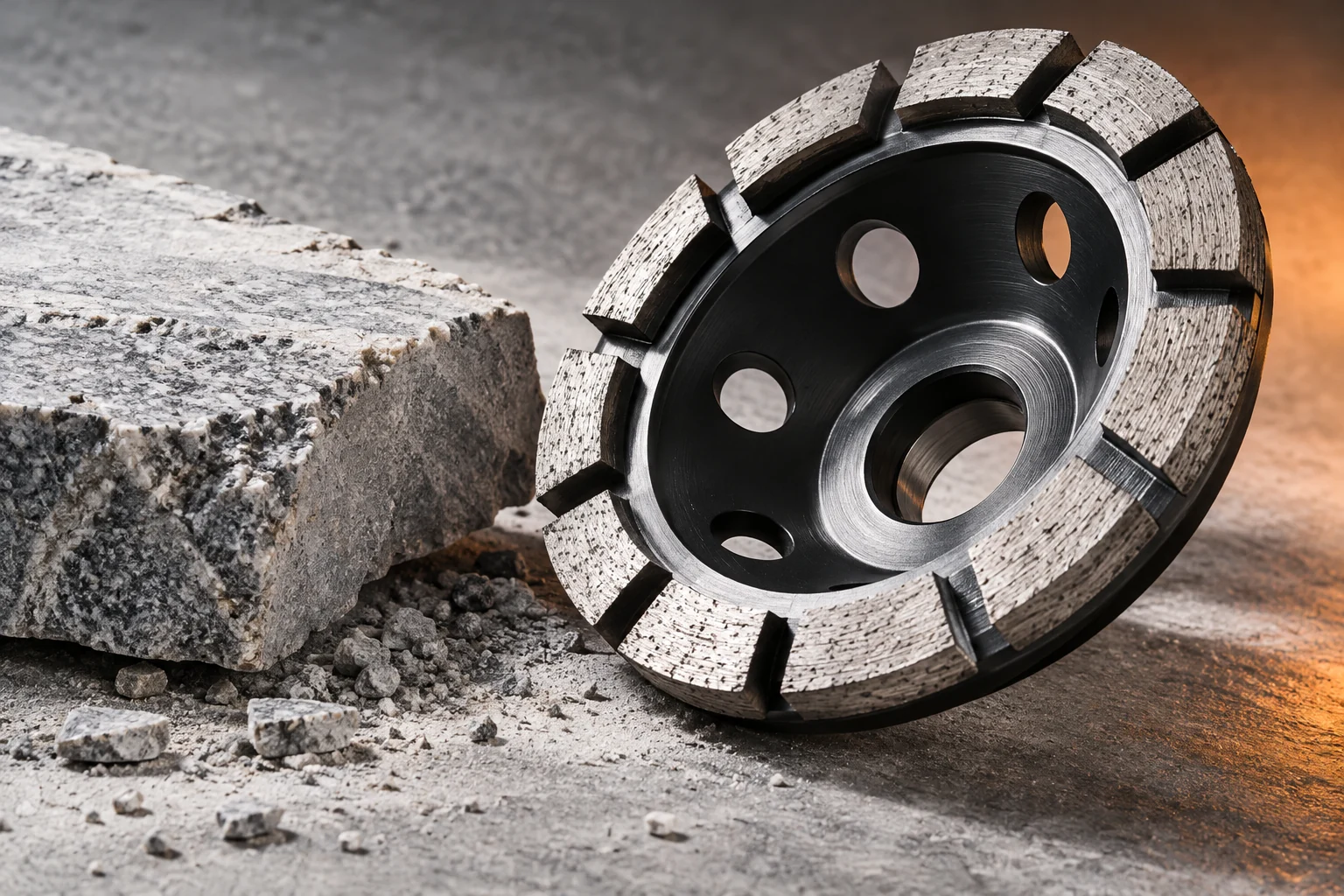
Diamond Cup Wheel
For stone shaping, material removal and surface preparation, with grinding task and connection matching.
Explore →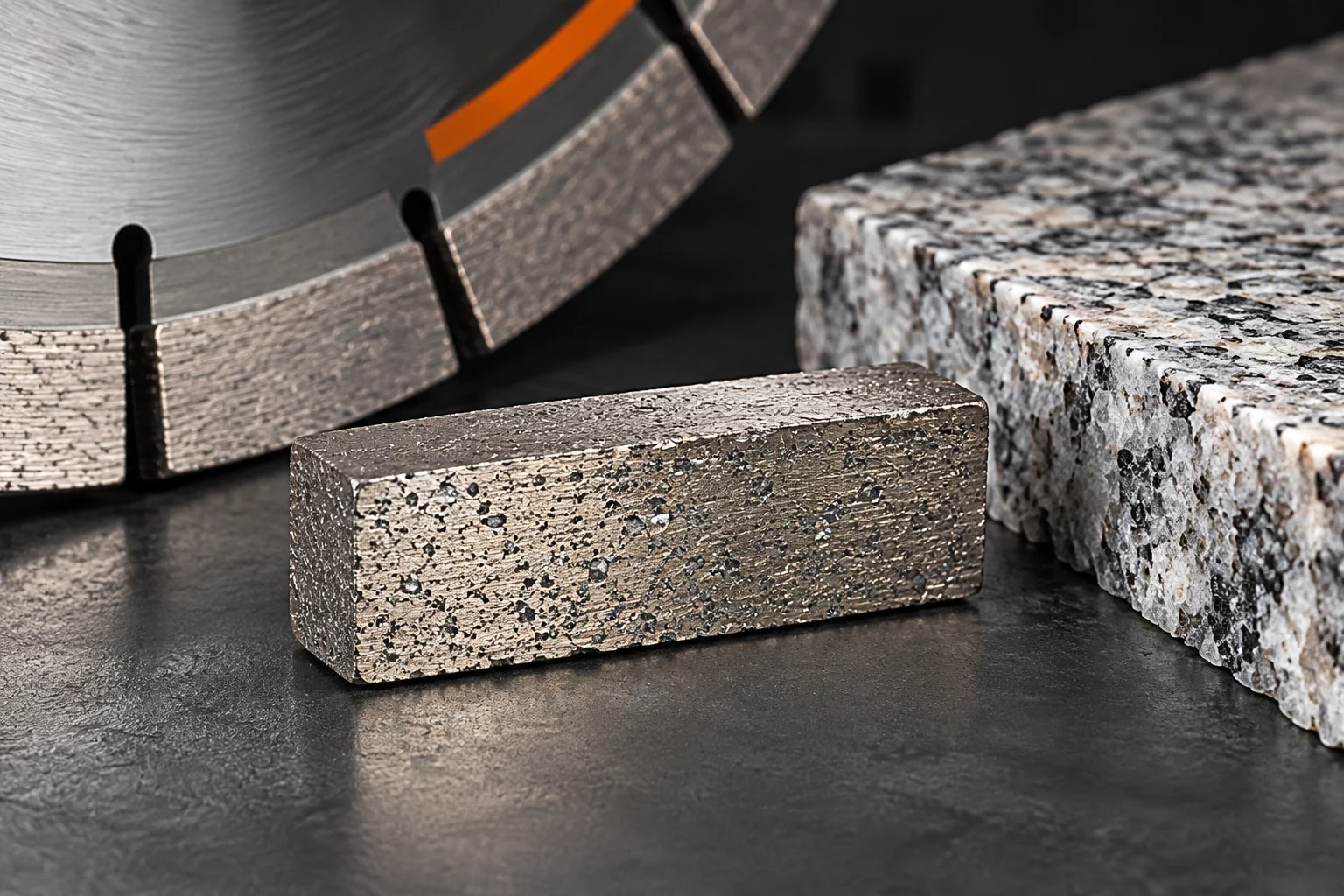
Diamond Segments
For large circular and quarry cutting requirements, with stone type, segment geometry and blade application matching.
Explore →Discuss Your Material
Granite blade selection and cutting stability
Direct answer
Granite selection starts with the actual stone, thickness and cutting operation. Abrasiveness and structure can differ between stone batches; a granite label does not establish one optimum tool construction. Confirm machine fit and the approved process before comparing the listed granite blade with an application-specific bridge-saw option.
Conditions and diagnostic checklist
If cuts become unstable, distinguish edge chipping from sideways drift or machine vibration. Have qualified personnel inspect support, mounting and carriage condition with the machine isolated. Use the runout guide for the inspection sequence; do not solve a suspected damaged core by forcing the cut.
Buying criteria and RFQ handoff
Provide stone identity, machine model, diameter, bore, current segment reference and required edge result. Request a complete matched configuration and sample acceptance plan. Public reference dimensions are not a claim that every bore, segment or construction combination is stocked or proven for your stone.